Tier S
Meta defining






Tier A
Top picks




Editor's notes
The state of Ultra League and how to build around it.
Ultra League meta — the state of play
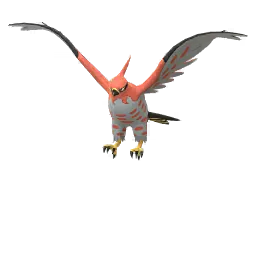
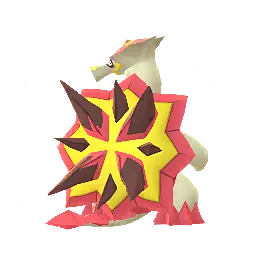
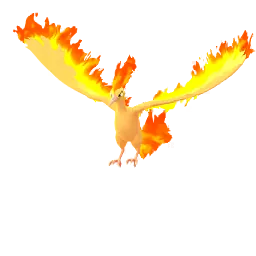
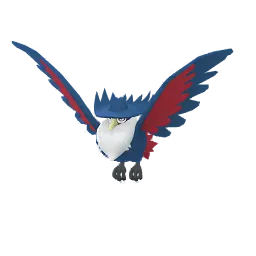
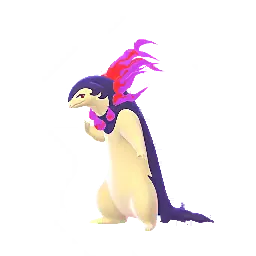
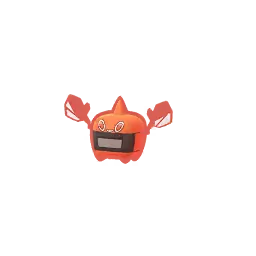
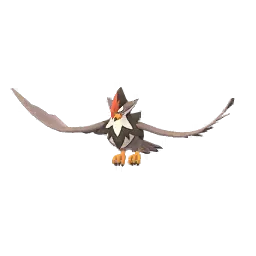
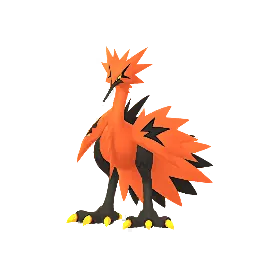
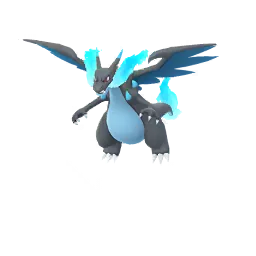
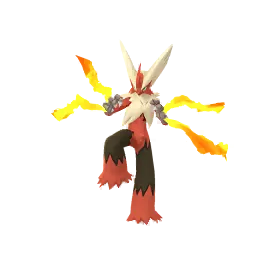
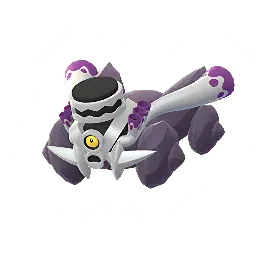
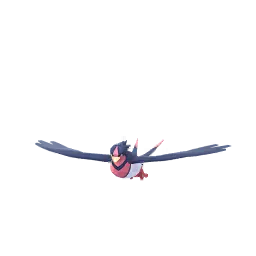
The Ultra League is currently defined by a mix of Fire and Flying types, with a notable emphasis on Shadows. Shadow Talonflame leads the pack, taking advantage of its fast energy generation and high damage potential. Mega Charizard Y and Turtonator also feature prominently, creating a meta where Flying and Fire moves are critical for success.
Core picks & archetypes
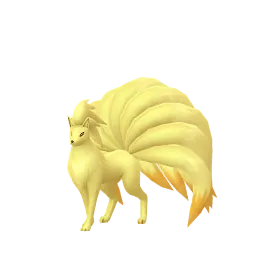
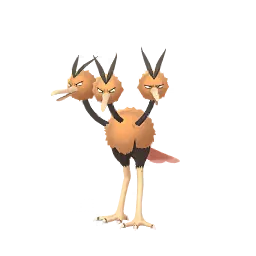
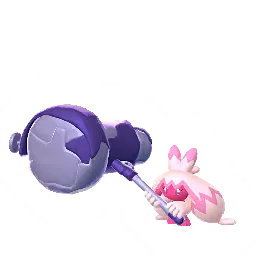
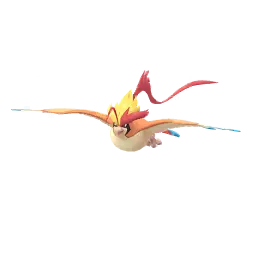
Key archetypes include Shadow Talonflame, Mega Charizard Y, and Turtonator, all of which can handle common threats effectively. Other notable contenders are Ninetales and Dodrio, both of which contribute to a diverse and competitive landscape. This balance allows trainers to experiment with team compositions while still maintaining access to powerful options.
Team building — leads, safe swaps & closers
For team composition, consider Shadow Talonflame as your lead due to its ability to pressure opponents right from the start. A solid safe swap could be the versatile Turtonator, which can absorb damage and counter many threats with its Dragon typing. Finally, use Mega Charizard Y as a closer; its powerful Charged Attacks can turn the tide of battle in critical moments.
IVs & investment
Aim for a 15/15/15 IV spread for your Shadow Talonflame to maximize its attack potential while staying within the 2500 CP cap. Similarly, invest in Mega Charizard Y with a focus on attack and stamina; a 15/14/13 IV spread will serve well, ensuring it can tank hits while dishing out significant damage.
Threats to watch
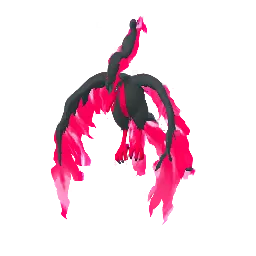
Watch out for Shadow Moltres and Mega Houndoom, as both can exploit the Fire weakness of many popular picks. To counter them, having a solid answer like Turtonator or using Ninetales with its Ice-type moves can help mitigate their threats effectively. Additionally, be cautious of opposing Flying types; a well-timed Rock move can turn the tide against them.