Tier S
Meta defining









Tier A
Top picks









Editor's notes
The state of Great League and how to build around it.
Great League meta — the state of play
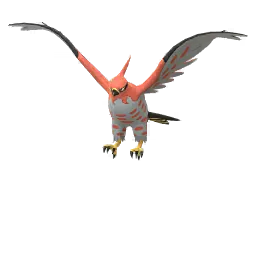
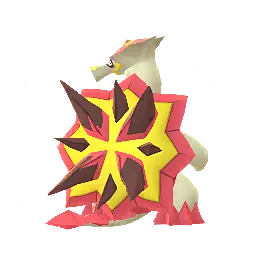
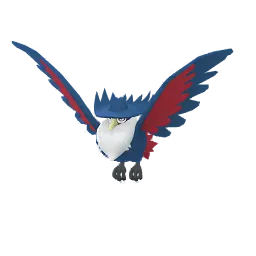
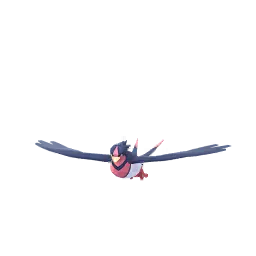
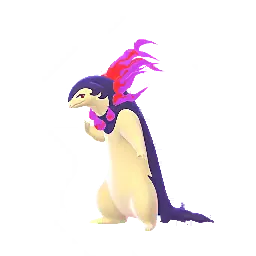
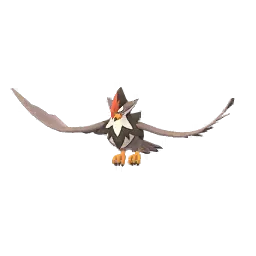
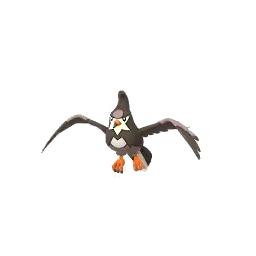
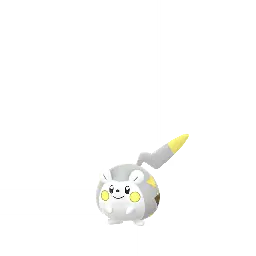
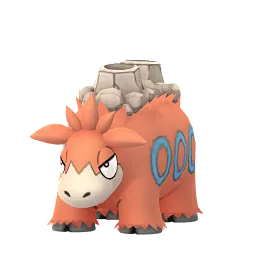
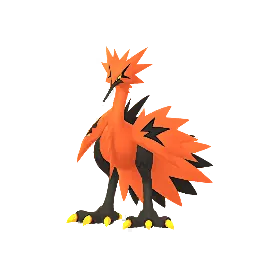
The Great League meta is currently dominated by Fire and Flying types, with Tinkaton and Shadow Talonflame leading the charge. Their presence is bolstered by the proliferation of popular choices like Torkoal, who provides excellent coverage against Steel and Grass types. Expect to see an emphasis on fast-paced battles, where quick damage output is critical.
Core picks & archetypes
Tinkaton, Shadow Talonflame, and Torkoal are essential components of the current ladder. Tinkaton's Fairy and Steel typing gives it an edge against common Dragon and Fairy threats, while Shadow Talonflame can sweep teams with its high attack stat. Torkoal serves as a tanky option capable of absorbing hits and retaliating with powerful Fire-type moves.
Team building — leads, safe swaps & closers
For a competitive team this week, consider Tinkaton as your lead to capitalize on its bulk and versatility. As a safe swap, Shadow Talonflame can apply pressure with its strong fast moves and Charge Moves. Finally, Torkoal as your closer offers stability and the ability to withstand incoming damage while dealing with Steel and Grass types effectively.
IVs & investment
Focus on maximizing HP and Defense for Tinkaton to ensure it can withstand hits while dishing out damage. For Shadow Talonflame, prioritize Attack to take full advantage of its shadow boost. Keep the CP cap of 1500 in mind, ensuring your IVs are favorable for competitive play, especially in tight matchups.
Threats to watch
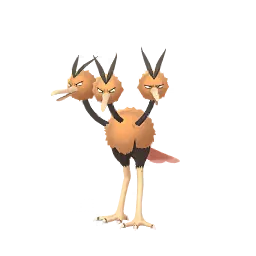
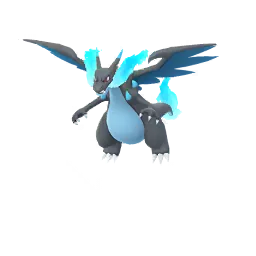
Watch out for Shadow Moltres and Charizard, which can threaten your team with high-damage Fire-type moves. Counter them with solid Rock-type Pokémon or Water-types like Azumarill. Additionally, keep an eye on Dodrio, which can capitalize on Shadow Talonflame's weaknesses if not managed properly.